System design
Frame nominal power, DC/AC ratio, MPPT voltage range, and expected loads before choosing a configuration.
Lifecycle support
Good project support starts before equipment is selected. A useful brief records the load profile, PV-array assumptions, battery strategy, grid relationship, and regional constraints. Those inputs make it easier to identify where conversion equipment, protection, monitoring, and installation documents need closer review.
For an off-grid system, the duty cycle and backup expectation may lead the discussion. For a hybrid site, the relationship among inverter settings, battery management, and dispatch priorities becomes central. For grid-connected work, the conversation also needs local interconnection expectations and anti-islanding requirements.
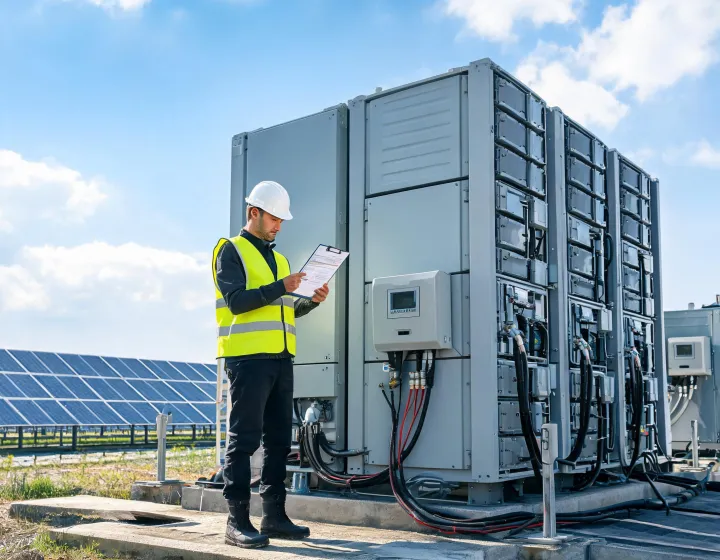
Frame nominal power, DC/AC ratio, MPPT voltage range, and expected loads before choosing a configuration.
Organize installation instructions, communications checks, protection settings, and the records the field team needs.
Discuss monitoring, serviceability, warranty pathways, and the operating conditions that should be documented.
Use site context rather than a generic equipment claim.
Clarify current terms for the region and application.
Request relevant evidence before the scope is fixed.
Bring the brief and open technical questions together.
Check how IEC 62109 and local requirements apply to the proposed conversion equipment.
Compare current datasheets with voltage, environmental, and protection assumptions.
Keep commissioning and maintenance instructions available to the responsible team.
Share your region and installation context to prepare the right next question.
Ask for supportOutline the load, power range, and planned operating mode for review.
Create a brief